Leadership & Work
NLP Taught Me How to Think. AI Is Changing What I Think About.
5 June 2026 · Jamie Wallace · Agency · AI and the future of work · Career Change · Career Transition · NLP · What you can control
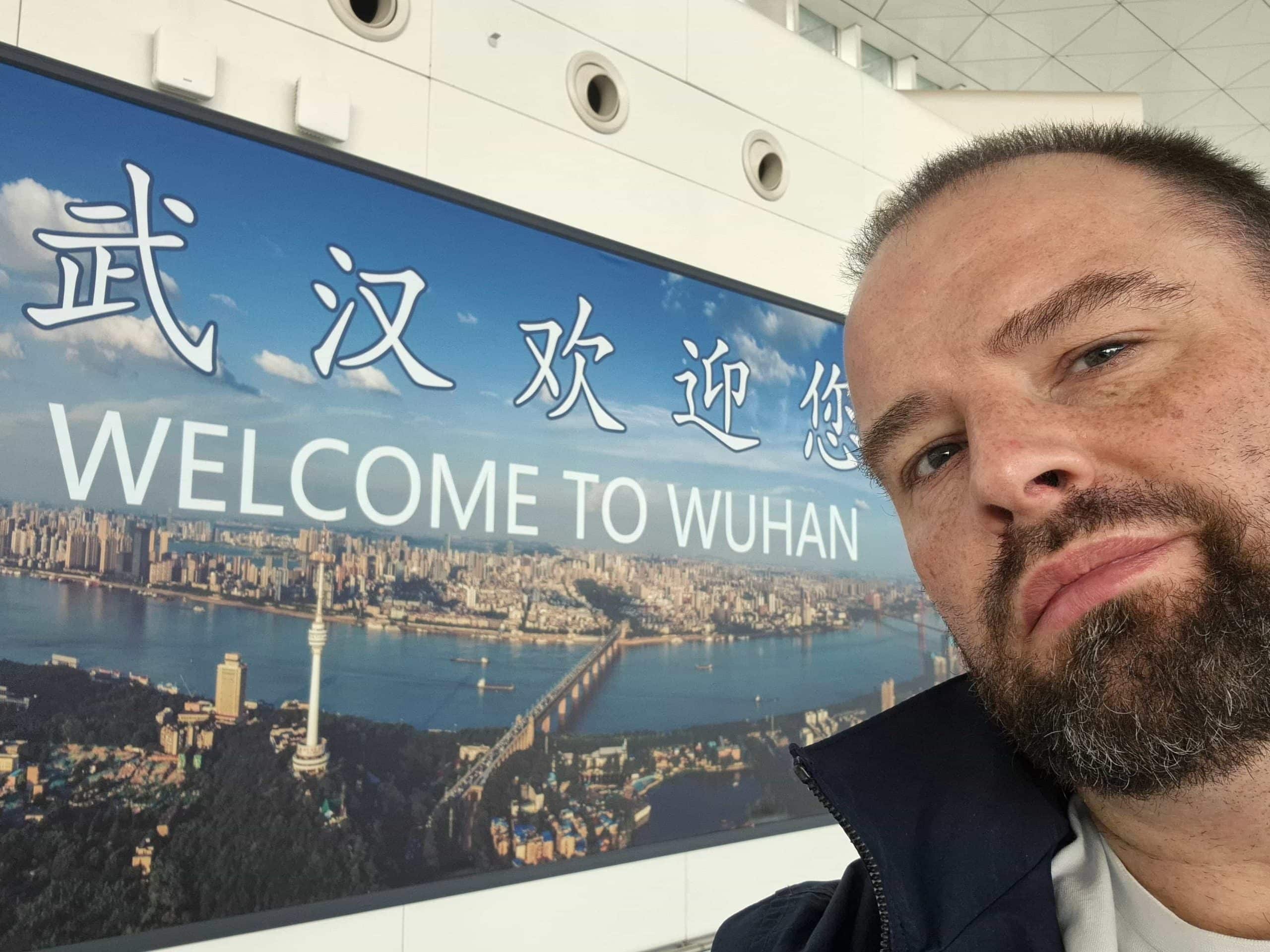
A few weeks ago I sat at my desk in Argyll with a credit card Section 75 claim in dispute with the travel company (following a reroute through Wuhan, China), a month’s salary out of pocket, and the particular kind of 5am anxiety that doesn’t announce itself so much as settle into the corners of a room. By seven o’clock that same morning the claim was submitted — every email thread pulled, a six-section supporting document compiled, a full schedule of losses totalled to the penny. It looked super professional and yet it was all in my own voice. I’d built it from bed, working alongside an AI assistant, before the kettle had properly boiled.
I tell you this not because it was clever. I tell you because of what it revealed.
The thing I couldn’t control — whether the claim would be approved — stayed exactly where it was. Outside my hands. What changed was the quality of what I could put into the world while I waited. And the tool that made that possible would have sounded like science fiction when I first trained in NLP.
Though, in truth, it wouldn’t have surprised me as much as it might once have.
For the past five years I’ve played a small part in building large language models for English and Gaelic — the kind of work that happens quietly, in the background, long before any of it reaches the rest of us. My contribution was modest. But standing that close to it for that long changed how I see where we are now. These tools have crossed a threshold. They’ve moved out of the labs and into our kitchens, our inboxes, our 5am mornings. They’re working alongside us, at a level any of us can reach.
I’ve watched that arrive. And I keep thinking about what it asks of the people I coach.
NLP has given me a set of tools for understanding how a mind processes experience — how we delete, distort, and generalise the world until the map we carry stops matching the ground we’re standing on. That work hasn’t aged. If anything, it matters more now. Because the ground is moving faster than it has in my lifetime, and a great many people are standing on a map drawn for a world that is quietly being rewritten.
The clients I sit with most often — the ones at a crossroads in work or life — are not, on the surface, asking about artificial intelligence. They’re asking the older questions. Am I still good at what I built a career around? Is the thing I’m proud of about to matter less? Have I left it too late to change direction?
But underneath those questions, more and more, is a new pressure. The work itself is shifting. Roles people spent twenty years mastering are being reshaped by tools that didn’t exist two years ago. And that does something specific to a person’s sense of who they are.
This is where the two things meet — and where I think there’s been a strange silence, especially up here, in Argyll and in Scotland as a whole.
NLP is, at its heart, the study of how we make meaning. AI, right now, is the largest disruption to what work means that most of us will ever live through. To treat those as separate conversations seems to me a mistake. The anxiety isn’t really about the technology. It’s about identity, control, and the gap between the life someone is living and the life they can feel coming toward them.
That gap is where the coaching conversation begins. It always has been. The tools on either side of it have changed — the tools will keep changing — but the work of helping someone stand steady while the ground shifts is the same work Colmcille was founded to do.
I’m not interested in selling anyone fear about machines. Nor in pretending the disruption isn’t real. The honest position sits between the two: the world of work is being remade, you have more agency in it than the headlines suggest, and the skill of working on what you can control — while the things outside your control resolve themselves — is not passive. It is one of the most active choices available to you.
That morning at my desk, the claim taught me something I already half knew. The waiting doesn’t have to be empty. There is almost always something you can build, document, or begin while the larger thing resolves itself.
So here’s my question for you:
What are you waiting on right now that has quietly become a weight — and what could you be building in the meantime?